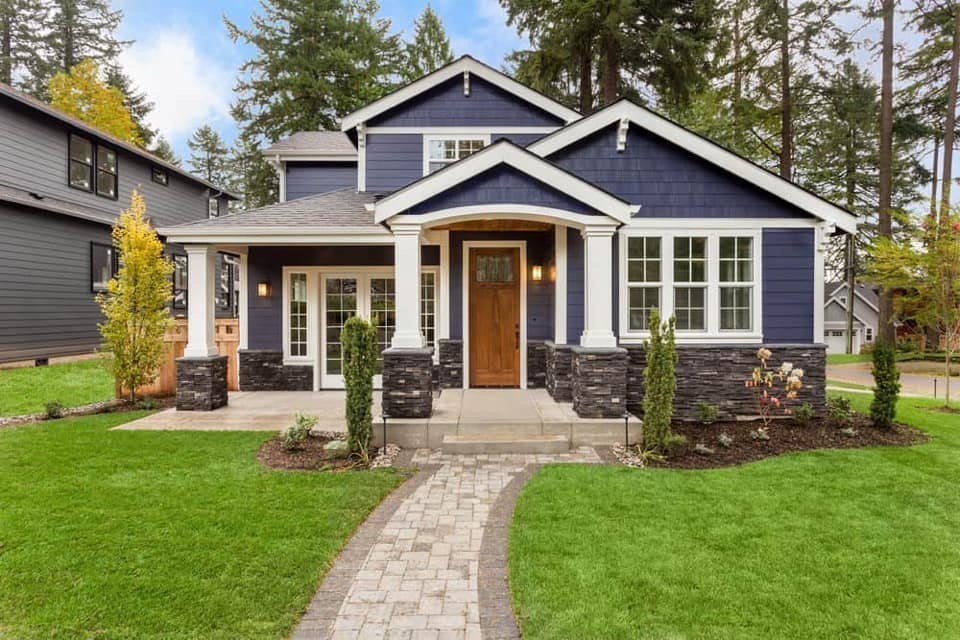
The architectural landscape of the Midwest is defined by its rich history and distinctive residential designs, with the classic Chicago bungalow standing as one of the most recognizable and beloved styles. Built predominantly between 1910 and 1940, these homes represent a unique era of craftsmanship, characterized by solid brick construction, low-pitched hipped roofs, wide overhangs, and prominent, inviting front windows. For homeowners residing in these historical properties, preserving the original aesthetic is a top priority. However, balancing this preservation with the demands of modern energy efficiency presents a unique set of challenges. Upgrading a historic home requires a thoughtful approach to exterior home remodeling, ensuring that architectural integrity remains intact while benefiting from contemporary insulation technology.
Preserving the Architectural Heritage of Chicagoland
The charm of a vintage home lies in its details. Original wood frames, specific grille patterns, and generous glass areas were designed to maximize natural light and provide cross-ventilation long before the advent of modern air conditioning. When undertaking Chicago home remodeling projects, property owners often face the difficult decision of replacing aging exterior elements. The goal is to enhance the property’s performance without stripping away the character that makes the house special.
Historically, the materials used for early 20th-century homes were durable for their time, but they lack the thermal resistance required to withstand the extreme temperature fluctuations typical of the region. Today, the objective is to replicate the visual weight, sightlines, and historical accuracy of the original architecture while integrating advanced materials that provide superior insulation.
The Challenges of Aging Windows in Historic Homes
Original single-pane glass and aging wood frames are significant sources of energy loss in older homes. Over decades of exposure to harsh weather, wood can warp, crack, and succumb to moisture damage. This degradation compromises the structural integrity of the frame and creates gaps that allow conditioned air to escape and outside air to infiltrate the living space.
During the frigid winter months, these drafts create uncomfortable cold spots and force heating systems to work continuously, leading to elevated utility expenses. Conversely, during humid summers, the lack of insulated glass allows solar heat gain to warm the interior, making cooling systems less effective. Condensation is another common issue with older single-pane glass; when warm, moist interior air meets a freezing glass surface, water droplets form. Over time, this moisture pools on wooden sills, accelerating decay and potentially leading to mold growth. Understanding these physical challenges is the first step in realizing why upgrading to insulated windows are ideal for Chicago winters and essential for year-round comfort.
Modern Thermal Technology Meets Classic Design
Advancements in manufacturing have bridged the gap between historical aesthetics and modern performance. Homeowners no longer have to choose between a beautiful facade and a comfortable, energy-efficient interior. Modern energy-efficient windows are engineered with multiple layers of technology designed to stop heat transfer.
The foundation of this technology is the insulated glass unit (IGU). Instead of a single sheet of glass, modern units feature double-pane or triple-pane constructions. The space between the glass panes is sealed and often filled with an inert, dense gas. The benefits of argon gas in windows are substantial, as it minimizes the conduction of heat through the window unit far better than regular air. Additionally, low-emissivity (Low-E) coatings are applied to the glass. These microscopic metallic layers reflect interior heat back into the home during the winter and deflect harmful ultraviolet and infrared rays from the sun during the summer, all without diminishing visible light.
Frame materials have also evolved. While original bungalows utilized solid wood, premium vinyl windows offer exceptional thermal breaks and resistance to moisture. High-quality vinyl can be manufactured with custom finishes and colors that closely mimic the appearance of painted wood, maintaining the historic curb appeal without the relentless need for scraping, painting, and sealing.
Selecting the Right Window Styles for Bungalow Architecture
To successfully integrate new technology into a classic home, selecting the appropriate different window types is crucial. The front elevation of a bungalow typically features a specific configuration that defines its look.
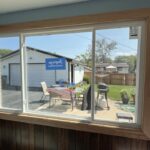
A common configuration involves a large central window flanked by narrower operable windows. Installing high-performance picture windows in the center provides expansive, unobstructed views and maximizes natural light. Because picture windows are fixed and do not open, they offer an airtight seal that contributes significantly to the home’s overall thermal efficiency.
For the flanking windows, traditional double-hung windows are the historically accurate choice. These units feature two operable sashes that slide vertically, allowing for versatile ventilation. Modern double-hung models often include tilt-in sashes, making exterior glass cleaning safe and simple from inside the home.
A defining characteristic of bungalow architecture is the intricate use of divided lites or grille patterns, often featuring Prairie-style grids where the intersecting lines create small square panes in the corners. Today, custom windows can be manufactured with simulated divided lites that perfectly replicate these historical patterns. The grids can even be placed between the panes of glass, providing the classic look while keeping the glass surface completely smooth for effortless cleaning.
Enhancing the Entryway: Doors That Complement and Protect
Curb appeal extends beyond the windows; the front entryway serves as a focal point for the entire property. In historical homes, the front door must align with the architectural era while providing security and weather resistance. Upgrading doors is a critical component of a complete thermal envelope strategy.
Traditional wood doors, much like wood windows, are susceptible to warping, swelling, and shrinking as humidity levels fluctuate. Fiberglass entry doors offer an ideal solution. Manufactured with deep wood-grain textures, fiberglass can be stained or painted to look indistinguishable from natural oak, mahogany, or cherry. Unlike wood, fiberglass features a solid polyurethane foam core that provides up to four times the insulating value of traditional wood doors. It resists denting, will not rot, and remains dimensionally stable regardless of the weather.
Many bungalow entries also incorporate architectural glass elements. Adding custom sidelights or overhead transom windows allows natural light to flood the foyer while utilizing the same Low-E and argon gas technologies found in the windows. To further protect the primary entry door and enhance insulation, heavy-duty storm doors can be installed. Modern storm doors feature low-profile frames and full-view glass that protect the entryway from driving rain and wind without obscuring the beauty of the primary door.
The Financial and Comfort Benefits of Upgrading
Committing to an exterior renovation is a significant investment, but upgrading to modern, thermally efficient materials yields measurable returns. The most immediate benefit is enhanced indoor comfort. Eliminating drafts and cold spots creates a consistent temperature throughout the living space, making the home more enjoyable in every season.
Financially, high-performance materials reduce the workload on heating and cooling systems, leading to lower monthly utility bills. Furthermore, updating the exterior with historically accurate yet modern materials dramatically boosts the property’s visual appeal. High-quality replacement windows are highly sought after in the real estate market, playing a significant role in improving your home value. Prospective buyers recognize the value of a historic home that requires no immediate renovations to achieve modern energy standards.
The Importance of Professional Installation for Optimal Performance
The insulating properties of premium exterior products are only as effective as the quality of the installation. Even the most advanced, highly rated window or door will fail to insulate properly if it is not fitted and sealed correctly. Precision is especially critical in older homes, where settling over the decades may have caused window openings to become out of square.
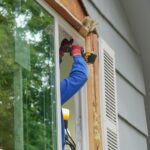
Professional window installation involves exact measurements and custom manufacturing to ensure a perfect fit within the existing rough opening. Certified installers utilize specialized techniques to apply flashing, expanding foam insulation, and heavy-duty sealants. This meticulous process prevents water infiltration and stops air from leaking around the frames. The same rigorous standards apply to door installation, ensuring that thresholds are properly supported and weatherstripping engages flawlessly to create an impenetrable barrier against the elements.
When selecting a contractor to handle these crucial upgrades, it is vital to choose professionals who back their craftsmanship. A comprehensive manufacturer’s warranty covering the product itself, combined with a robust installation guarantee, ensures that the investment is fully protected for the lifetime of the home.
Chicagoland’s Trusted Choice for Exterior Remodeling
When it is time to upgrade the performance and curb appeal of a classic property, partnering with experienced local professionals is essential. Specialized knowledge of regional architecture and weather patterns guarantees a successful renovation that respects the home’s history.
WindowWorks has been helping homeowners with new Chicago windows and doors since 1996. The goal today remains exactly as it was in the beginning: to help homeowners by providing industry-leading products with expert installation at affordable prices. As a local and family-owned business with nearly 25 years of experience, WindowWorks has successfully helped well over 51,000 families improve their homes.
Recognized for efficient, quality craftsmanship, their certified installers frequently complete projects in as little as one day without cutting corners, ensuring that renovations can be enjoyed for a lifetime. WindowWorks is proud to maintain an A+ rating with the Better Business Bureau, which has also awarded the company the Torch Award for Marketplace Ethics. Their premium products are specially built with insulation designed to handle severe Chicago weather, lowering electric bills and maintaining year-round comfort.
In addition to offering limited-time specials and accessible financing partnerships with top lending institutions, WindowWorks is deeply committed to the community, proudly participating in various local charity initiatives. Every project comes with a Worry-Free Guarantee, meaning all products are backed by a manufacturer’s warranty, and services are backed by an installation warranty to ensure every investment is thoroughly protected.
For more information, connect with WindowWorks online and explore their latest projects and community updates on their social media channels:
Subscribe to WindowWorks's Blog
Get WindowWorks's latest articles straight to your inbox. Enter your name and email address below.