The landscape of residential energy efficiency is shifting rapidly, guided by updated federal benchmarks designed to reduce carbon footprints and lower utility costs for homeowners. As the Environmental Protection Agency (EPA) and the Department of Energy (DOE) continuously refine their guidelines, the fenestration industry—encompassing windows, doors, and skylights—must adapt to increasingly stringent performance criteria. For property owners planning an exterior home remodeling project, understanding the trajectory toward the Energy Star 2026 standards is essential. Upgrading a property today with these future benchmarks in mind ensures long-term thermal performance, regulatory compliance, and maximized financial returns.
Understanding the Evolving Landscape of Residential Energy Efficiency
The transition toward the 2026 standards builds upon the rigorous foundations established by the Energy Star Version 7.0 specification. This shift represents one of the most significant leaps in performance requirements for residential exterior building products in recent years. The federal government implements these changes to drastically reduce household energy consumption, which accounts for a substantial portion of national energy use. By tightening the acceptable parameters for heat transfer and solar heat gain, the upcoming standards push manufacturers to innovate and homeowners to make more informed decisions about their exterior upgrades.
For regions experiencing extreme seasonal temperature fluctuations, such as the Midwest, these regulations are particularly impactful. Products installed in these climate zones must demonstrate exceptional resilience against sub-zero winter temperatures and intense summer heat, making the selection of energy efficient windows and doors a critical component of modern property management.
Key Metrics Governing the New Standards
Evaluating the efficiency of exterior components requires an understanding of specific scientific metrics that dictate how building materials interact with the environment. The National Fenestration Rating Council evaluates and certifies these performance metrics, providing consumers with reliable, standardized data. Understanding these values is paramount when planning a renovation to meet upcoming federal guidelines:
- U-Factor: This metric measures the rate of heat transfer through a product. A lower U-Factor indicates superior insulating properties. Under the tightening federal guidelines, the maximum allowable U-Factor for the Northern climate zone is dropping significantly. Products must offer exceptional resistance to heat escaping during the winter months to qualify for certification.
- Solar Heat Gain Coefficient (SHGC): SHGC measures the fraction of incident solar radiation admitted through a window or door, both directly transmitted and absorbed before being released inward. In colder climates, a slightly higher SHGC can be beneficial for passive solar heating in the winter. However, a delicate balance is required to prevent properties from overheating during the summer.
- Air Leakage (AL): This indicates how much outside air permeates the assembly. High-performance products feature advanced weatherstripping and tight manufacturing tolerances to keep this number as low as possible, preventing drafts and maintaining a consistent indoor climate.
Homeowners exploring these metrics will frequently encounter the concept of R-value, which measures thermal resistance. While U-Factor is more commonly applied to entire window assemblies, a high R-value in the surrounding wall insulation and window frame material is equally necessary to create a comprehensive thermal envelope.
How Stricter Criteria Impact Exterior Remodeling Projects
When planning an exterior renovation, the components selected will dictate the home’s comfort and operational costs for decades. The push toward the 2026 guidelines means that entry-level products of the past are rapidly becoming obsolete, replaced by sophisticated assemblies designed to block thermal bridging and resist environmental stress.
Window Replacement Considerations
Undertaking a project involving replacement windows now requires careful consideration of glass packages and frame structures. Historically, clear single-pane glass was common, but modern standards render such products entirely inefficient. Today, double pane windows represent the baseline for residential properties, with a growing emphasis on triple-pane configurations for maximum compliance in severe climates.
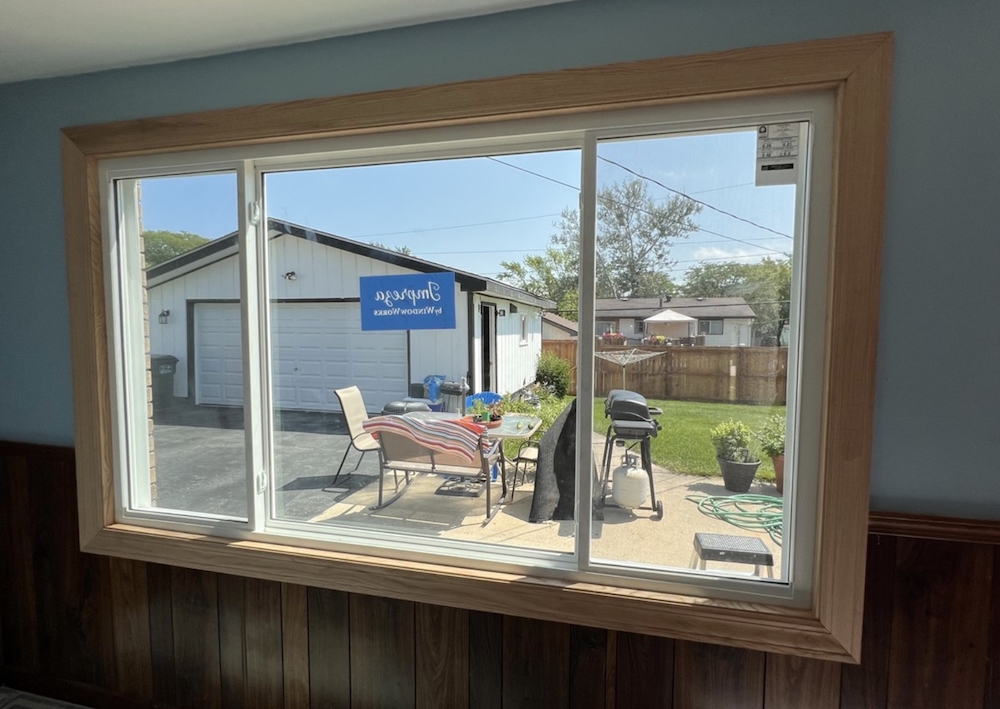
A thorough comparison of single, double, and triple pane window technologies reveals that the insulating space between the glass layers is where true thermal performance is engineered. Upgrading from outdated units to advanced multi-pane systems immediately reduces the workload on heating, ventilation, and air conditioning (HVAC) systems. Furthermore, modern architectural requirements demand that large expanses of glass, such as picture and bow styles, utilize advanced structural framing to prevent the heavy glass packages from compromising the unit’s airtight seal over time.
Door Installations and Thermal Performance
Doors are frequently overlooked in discussions about thermal envelopes, yet they serve as large operable openings that can easily leak conditioned air. Installing energy efficient doors is just as vital as upgrading glass fixtures. The forthcoming standards place strict regulations on both opaque doors and those featuring decorative glass (sidelights and transoms).
Homeowners seeking replacement doors will find that modern products utilize composite materials, polyurethane foam cores, and thermally broken thresholds to prevent heat transfer. For instance, fiberglass entry doors offer a high strength-to-weight ratio and do not expand or contract significantly with temperature changes, preserving the integrity of the weatherstripping seal. Similarly, expansive patio doors are engineered with heavy-duty interlocking meeting rails and advanced multi-point locking mechanisms to ensure the vast surface area of glass remains tightly secured against the elements.
Financial Implications: Tax Credits, Utility Savings, and Long-Term Value
Meeting sophisticated energy standards requires an initial investment, but federal incentive programs and local utility savings rapidly offset these costs. The government actively encourages property owners to adopt high-efficiency products through substantial financial rebates.
Maximizing Available Tax Incentives
The transition to stricter guidelines is supported by legislation designed to make efficient upgrades more accessible. The availability of federal energy efficient home improvement tax credits allows homeowners to claim a significant percentage of their project costs when installing qualifying products. These incentives are subject to annual limits and specific product performance requirements, which are inextricably linked to the criteria set by Energy Star. By selecting materials that meet or exceed current specifications, homeowners secure eligibility for these financial benefits while shielding themselves from future regulatory shifts.
Return on Investment for Property Owners
Beyond immediate tax incentives, high-performance exterior products offer a substantial return on investment. Properties equipped with advanced thermal barriers experience dramatically lower monthly utility bills, as HVAC systems require less power to maintain comfortable indoor temperatures. Furthermore, the real estate market increasingly favors properties that boast certified, energy-conscious upgrades. Prospective buyers recognize the value of a home that requires minimal maintenance, offers draft-free comfort, and comes equipped with modern, visually appealing fixtures. Planning an upgrade that aligns with impending efficiency benchmarks is a strategic method for increasing overall property valuation.
Technological Advancements Meeting the Federal Requirements
To achieve the low U-Factors and optimized SHGC ratings demanded by evolving standards, manufacturers rely on a combination of precision engineering and advanced material science. Modern fenestration products are highly technical assemblies.
Multi-Pane Glass, Inert Gases, and Low-E Coatings
The space between glass panes in modern assemblies is completely sealed and filled with dense, slow-moving gases. Exploring the benefits of argon gas or krypton gas reveals that these invisible insulators severely restrict the transfer of thermal energy compared to standard air.
Coupled with these gas fills are Low-Emissivity (Low-E) coatings. These microscopically thin, transparent layers of metallic particles reflect long-wave infrared thermal energy. In the winter, Low-E coatings reflect interior heat back into the living space. In the summer, they reflect the sun’s oppressive exterior heat away from the property. Manufacturers now apply multiple layers of silver within these coatings to fine-tune the glass performance, ensuring it meets the stringent demands placed on windows in Chicago and other regions with demanding climates.
Frame Materials and Insulation Innovation
The glass only accounts for a portion of the overall assembly. The framing materials must perform equally well to prevent thermal bridging—the process where conductive materials allow heat to bypass the insulated glass entirely. Advancements in vinyl windows include multi-chambered extrusions. These chambers trap dead air within the frame itself, adding exceptional insulating properties without adding excessive weight or cost. Some high-performance frames even feature foam-filled chambers to further depress the U-Factor, ensuring the entire structural unit aligns with federal efficiency goals.
Preparing a Renovation for Future Compliance
Selecting the correct products is only the first step in creating a highly efficient thermal envelope. The practical application of these materials within the home’s existing architecture determines their ultimate success or failure.
Working with Certified Installation Experts
The most advanced glass packages and highly engineered frames will fail to perform if they are not installed with absolute precision. Proper window installation dictates that units must be set perfectly plumb, level, and square. If a frame is installed out of alignment, the operational sashes will not seal correctly against the weatherstripping, leading to air infiltration and completely negating the unit’s energy ratings.
The same principles apply to door installation. Expert technicians utilize specialized flashing tapes, low-expansion insulating foam sealants, and custom-bent aluminum trim to ensure the rough opening is fully integrated into the home’s exterior water and air barriers. Trusting seasoned professionals ensures that the products perform exactly as tested in the laboratory. Professional installation is also critical for maintaining validity for the manufacturer and installation warranty coverage, protecting the homeowner’s investment for decades.
Ensuring Compliance Through Recognized Ratings
To navigate the complexities of modern efficiency standards, property owners should always look for the National Fenestration Rating Council (NFRC) label on new products. This label provides the verified, unbiased performance data necessary to confirm that a product meets the strict criteria required for federal tax credits and Energy Star certifications. Consulting with a reputable, knowledgeable contractor allows homeowners to decipher these labels and select the perfect configuration for their specific regional needs and architectural style.
About WindowWorks: Chicagoland’s Trusted Choice for Exterior Remodeling
When preparing a home for the future of energy efficiency, partnering with a deeply experienced, highly rated exterior remodeling company is essential. WindowWorks has been helping homeowners with new windows and doors since 1996. Their goal today remains exactly as it was in the beginning: to help homeowners by providing industry-leading products paired with expert installation at affordable prices.
Having assisted well over 51,000 families in improving their homes, WindowWorks operates as a trusted, local, and family-owned business deeply embedded in the community. Their dedication to efficient, quality craftsmanship means certified installers complete projects smoothly, often in as little as one day, without cutting corners, allowing families to enjoy their renovations for a lifetime. Their commitment to excellence is reflected in an A+ rating with the Better Business Bureau, which also awarded them the prestigious Torch Award for Marketplace Ethics.
WindowWorks provides premium products that are specifically manufactured for Chicago weather, featuring advanced insulation to lower utility bills and ensure comfort throughout every season. They offer limited-time specials and maintain strong financing partnerships with top lending institutions, ensuring affordable solutions for every property owner. Deeply committed to their Chicagoland neighbors, they frequently participate in local charity initiatives. Most importantly, every project is secured by a worry-free guarantee, backing all products with a manufacturer’s warranty and an installation warranty to ensure every investment remains completely protected.
For more information, connect with WindowWorks online:
Subscribe to WindowWorks's Blog
Get WindowWorks's latest articles straight to your inbox. Enter your name and email address below.