When property owners research high-performance fenestration, the focus frequently centers on the number of glass panes, the frame material, or the presence of specialized gas fills. While these elements are undeniably critical to overall thermal performance, there is a highly technical, often overlooked structural component that dictates the efficiency of the entire unit: the window spacer. Modern energy-efficient windows rely heavily on advanced warm-edge spacer technology to maintain optimal internal temperatures, prevent condensation, and ensure the longevity of the insulated glass unit (IGU).
Understanding Insulated Glass Units and Spacer Systems
To fully grasp the mechanics of warm-edge technology, it is necessary to examine the construction of contemporary window systems. Double-pane and triple-pane windows are constructed by sealing multiple pieces of glass together with a precise gap between them. This gap is not left empty; it is systematically evacuated of atmospheric air and filled with dense, inert gases to reduce thermal transfer.
The spacer is the continuous structural perimeter that separates these panes of glass. It serves multiple indispensable functions. First, it dictates the precise width of the insulating cavity, ensuring uniform separation across the entire surface area. Second, it houses a desiccant matrix—a highly absorbent chemical compound designed to trap any residual moisture present during manufacturing, thereby preventing interior fogging. Third, and perhaps most importantly, the spacer acts as the primary defense against the leakage of insulating gas, such as that discussed when exploring what the benefits of argon gas are.
The Physics of Thermal Bridging and Traditional Aluminum Spacers
For decades, the standard material used for window spacers was roll-formed aluminum. Aluminum possesses excellent structural rigidity and is relatively inexpensive to manufacture. However, from a thermodynamic perspective, aluminum is a highly conductive metal. It readily facilitates the transfer of thermal energy.
In cold climates, an aluminum spacer creates a continuous “thermal bridge” between the frigid exterior environment and the conditioned interior space. Heat energy from inside the building naturally migrates toward the colder exterior. When heat reaches the edge of the glass, the highly conductive aluminum spacer provides a path of least resistance, allowing the thermal energy to bypass the insulating gas entirely. This results in the perimeter of the interior glass becoming significantly colder than the center of the pane, a common underlying factor when homeowners seek tips for fixing drafty windows.
The Engineering Behind Warm-Edge Technology
Warm-edge spacers were engineered specifically to disrupt this thermal bridge. Rather than relying on highly conductive metals, warm-edge technology utilizes materials with inherently low thermal conductivity. Manufacturers employ a variety of advanced formulations, including structural silicone foam, specialized thermoset plastics, polycarbonate extrusions, and composite blends utilizing thin-wall stainless steel.
By substituting aluminum with these advanced materials, the spacer acts as an effective thermal break. Heat energy attempting to exit the building at the perimeter of the glass encounters a material that resists thermal transfer. As a result, the edge of the interior glass maintains a temperature much closer to the ambient room temperature—hence the term “warm-edge.” The precise performance of these materials can be measured and verified through objective industry standards, including those established by the NFRC (National Fenestration Rating Council), which evaluates the total U-factor of the window assembly.
Quantifiable Benefits of Warm-Edge Spacer Systems
The transition from traditional aluminum to warm-edge materials yields several measurable improvements in the overall performance and lifespan of the window unit.
Superior Condensation Resistance
Condensation occurs when warm, moisture-laden indoor air comes into contact with a surface that is at or below the dew point. Because traditional metal spacers allow the edge of the glass to become excessively cold, condensation frequently forms along the bottom and sides of the window pane during the winter months. To understand this dynamic fully, one must evaluate the relationship between humidity, condensation, and the home.
Prolonged exposure to condensation is highly detrimental. It can lead to the deterioration of interior finishes, encourage the growth of mold and mildew, and ultimately compromise the structural integrity of wooden window sills. Warm-edge spacers elevate the temperature of the interior glass edge, keeping it above the dew point in most standard indoor environments and effectively mitigating perimeter condensation.
Enhanced Seal Durability and Gas Retention
Windows are subjected to constant thermal stress. As temperatures rise and fall, the individual panes of glass undergo thermal expansion and contraction. This movement places immense mechanical stress on the spacer and the surrounding sealants.
Aluminum spacers are rigid. When the glass moves, the rigid metal resists, transferring the stress directly to the primary polyisobutylene seal and the secondary silicone seal. Over years of thermal cycling, this stress can cause micro-fractures in the seal, leading to the rapid escape of argon or krypton gas and the ingress of atmospheric moisture. Conversely, many warm-edge spacers, particularly those utilizing silicone foam, possess a degree of structural flexibility. They can absorb the kinetic energy of thermal expansion, moving slightly with the glass. This flexibility dramatically reduces the stress on the edge seal, ensuring the insulating gas remains trapped inside the unit for decades. This longevity is a critical factor when evaluating the difference in a quick comparison of single, double, and triple pane windows.
Improved Overall R-Value and Utility Savings
While the spacer occupies a relatively small percentage of the total window area, its impact on the unit’s R-value is profound. By neutralizing the thermal bridge at the perimeter, warm-edge spacers improve the overall insulative capacity of the window by several percentage points. When applied across every window in a large property, this reduction in heat loss translates directly to lower reliance on HVAC systems. Property owners researching whether they can expect energy savings with new windows will find that warm-edge technology is a non-negotiable requirement for optimal thermal efficiency.
Performance Demands in Severe Climates
The necessity for advanced thermal breaks becomes critical in regions that experience severe seasonal temperature fluctuations. Areas characterized by sub-zero winter temperatures and high-heat, high-humidity summers require building materials engineered for extremes. Exploring the effects extreme weather conditions have on windows reveals that standard building-grade materials degrade rapidly under such stress.
For properties located in regions with severe winters, stopping edge-of-glass heat transfer is vital for interior comfort. Residents often notice that rooms feel perceptibly colder near outdated windows, not necessarily due to air leaks, but because of convective drafts caused by the cold glass rapidly cooling the adjacent air. Implementing warm-edge technology prevents this convective loop, which is why insulated windows are ideal for Chicago winters and similar challenging climates.
Synergy with High-Performance Frame Materials
To maximize the efficacy of a warm-edge spacer, it must be paired with window frames that offer comparable thermal resistance. Installing a high-performance IGU into a highly conductive frame negates the benefits of the advanced spacer.
Modern fenestration heavily favors non-conductive frame materials. For instance, vinyl windows utilize multi-chambered polyvinyl chloride (PVC) extrusions that trap air to reduce heat transfer. Similarly, fiberglass windows offer exceptional thermal stability, expanding and contracting at roughly the same rate as the glass itself, which further reduces seal stress. When warm-edge spacers are housed within these advanced frames, the entire unit functions as a cohesive, highly efficient thermal barrier.
Customization and Window Styles
The structural versatility of modern warm-edge spacers allows them to be utilized across a vast array of architectural configurations. Whether outfitting a commercial building or updating a residential property, the technology applies universally. Property owners selecting specific window types—from expansive picture windows to intricate geometric shapes—can benefit from perimeter thermal breaks.
Furthermore, when architectural requirements demand custom windows to fit unique rough openings, warm-edge spacers can be fabricated to precisely match custom dimensions without losing their structural or insulative integrity.
The Crucial Role of Expert Installation
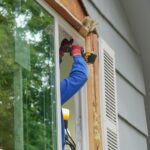
Even the most technologically advanced replacement windows will fail to deliver their rated energy performance if the installation process is flawed. Precise leveling, proper shimming, and meticulous exterior sealing are required to ensure the window operates as engineered.
Improper installation can lead to immediate seal failure or allow moisture to bypass the frame entirely, rendering the internal warm-edge spacer irrelevant. This underscores the necessity of professional window installation. Homeowners and facility managers consistently find measurable value in the benefits of hiring window installation experts who adhere strictly to manufacturer specifications and local building codes.
Long-Term Reliability and Warranties
The adoption of warm-edge technology has allowed top-tier window manufacturers to confidently offer extended guarantees on their insulated glass units. Because the flexible nature of the spacer significantly reduces the likelihood of premature seal failure and subsequent gas loss, these units boast an extensive operational lifespan. Property owners reviewing their options should always consult the frequently asked questions provided by manufacturers to understand the expected longevity of their specific spacer system and ensure it is backed by a comprehensive warranty.
WindowWorks: Chicago’s Trusted Exterior Remodeling Company
WindowWorks has been assisting homeowners with new window and door installations since 1996. The foundational goal remains as it was in the beginning: to help homeowners by providing industry-leading products with expert installation at affordable prices. Today, the company has helped well over 51,000 families improve their homes, establishing a deep community commitment across Chicagoland.
As a local and family-owned business, WindowWorks has spent nearly 25 years delivering beautiful, long-lasting renovations tailored to specific regional needs. The company’s products are specially built with advanced insulation, including warm-edge technology, ensuring they are perfectly made for Chicago weather. This meticulous attention to detail lowers utility bills and maintains indoor comfort throughout all seasons.
With an emphasis on efficient, quality craftsmanship, certified installers complete projects rapidly—often in as little as one day—without cutting corners, allowing residents to enjoy their renovations for a lifetime. This dedication to excellence has resulted in an award-winning service record, maintaining an A+ rating with the BBB and earning the prestigious Torch Award for Marketplace Ethics. Homeowners consistently express high levels of customer satisfaction, often returning for additional orders or referring friends and family.
WindowWorks continually offers premium products at affordable prices, featuring limited-time specials alongside flexible financing partnerships with top lending institutions to secure the best financial solutions. Every project is secured by a worry-free guarantee, meaning all products are backed by a manufacturer’s warranty and all services are backed by an installation warranty to ensure the investment is thoroughly protected. Whether a project requires standard updates or highly specialized Chicago windows and doors, WindowWorks is proud to be Chicagoland’s trusted choice.
Connect with WindowWorks online:
Subscribe to WindowWorks's Blog
Get WindowWorks's latest articles straight to your inbox. Enter your name and email address below.