The Chicagoland area is renowned for its intense winter weather, frequently experiencing severe temperature drops associated with polar vortexes. When temperatures plummet to -20°F or lower, residential building materials face immense physical stress. Exterior fenestration systems—specifically windows and doors—are highly vulnerable to these extreme fluctuations. However, advancements in material science and polymer engineering have led to the development of arctic-grade vinyl compounds specifically formulated to withstand brutal winter conditions.
Standard building materials often fail under the mechanical stresses of a polar vortex. Standard plastics become brittle, wood absorbs moisture and warps, and aluminum transfers cold directly into the living space. Understanding why specialized vinyl framing systems resist cracking, warping, and failing during sub-zero cold snaps requires a detailed look at polymer chemistry, structural engineering, and precision manufacturing.
The Physical Impact of Sub-Zero Temperatures on Exterior Materials
When atmospheric temperatures drop dramatically, all physical materials undergo thermal contraction. As the molecules within a material lose kinetic energy, they pull closer together. For Chicago homes, this means the exterior elements of a property shrink as winter sets in. The critical factor is not just the contraction itself, but how the material responds to the resulting structural stress, especially when paired with high-velocity winter winds.
In standard, builder-grade plastics, the polymer chains are densely packed but lack elasticity at low temperatures. As the material reaches its glass transition temperature—the point at which a polymer changes from a flexible state to a hard, brittle state—it loses its ability to absorb impact or flex under pressure. When the framework contracts against the static opening of a home, standard vinyl can suffer micro-fractures. Over subsequent freeze-thaw cycles, these micro-fractures propagate, eventually leading to visible cracks and structural failure. This underscores the profound effects extreme weather conditions have on windows.
The Chemistry of Arctic-Grade Vinyl Compounds
The resilience of modern vinyl windows lies in the specific formulation of the Polyvinyl Chloride (PVC) compound used during the extrusion process. Arctic-grade vinyl is not a basic off-the-shelf plastic; it is a highly engineered, proprietary blend of resins, stabilizers, and modifiers designed specifically for extreme climates.
Impact Modifiers and Cold-Weather Elasticity
To prevent the PVC from becoming brittle in a -20°F polar vortex, manufacturers blend the base resin with advanced acrylic impact modifiers. These chemical additives integrate into the polymer matrix, providing microscopic zones of flexibility. Even when the primary PVC molecules become rigid in freezing temperatures, the impact modifiers act as molecular shock absorbers. This specific chemistry lowers the overall glass transition temperature of the frame, ensuring the material retains enough tensile flexibility to resist cracking under wind loads or contraction stress.
Titanium Dioxide and Environmental Stabilizers
Winter weather also brings intense, low-angle ultraviolet (UV) radiation, which reflects off snow and ice. UV exposure degrades standard polymers over time, stripping them of their flexibility and causing a chalky discoloration known as oxidation. Arctic-grade vinyl incorporates high levels of rutile titanium dioxide (TiO2). This naturally occurring oxide absorbs and reflects UV radiation, protecting the internal polymer chains from degradation. By maintaining the chemical integrity of the frame year-round, the vinyl remains structurally sound and visually pristine, reducing the need for extensive window maintenance.
Combatting Thermal Contraction and Warping
Warping is another common failure point for inferior replacement windows during harsh winters. Warping occurs when there is a significant temperature differential between the interior and exterior of a home. During a polar vortex, the exterior face of a window frame might be exposed to -20°F, while the interior face is exposed to a heated 70°F living space. This 90-degree temperature delta causes the exterior material to contract while the interior material expands, creating immense internal shear stress.
Arctic-grade vinyl addresses this thermal stress through a combination of dimensional stability and multi-chambered structural engineering. The high-quality polymer blend maintains a low coefficient of linear thermal expansion. This means the actual measurable change in the material’s size during temperature shifts is strictly minimized, mitigating the forces that cause the frame to bow, twist, or separate from the home’s siding.
Extrusion and Multi-Chambered Structural Engineering
The manufacturing process plays an equally vital role in a window’s winter performance. The raw arctic-grade PVC powder is heated and forced through precision dies in a process known as extrusion. Instead of creating a solid block of plastic or a simple hollow tube, the extrusion process forms complex, multi-chambered profiles.
The Role of Internal Webbing
These internal chambers serve a dual purpose. Structurally, the interior walls (or webbing) act as bracing, providing exceptional torsional rigidity. When strong winter winds generate positive or negative pressure against the glass, the multi-chambered vinyl frame resists deflection. This structural integrity ensures the window sashes remain perfectly aligned within the master frame, preventing the formation of air leaks in aging windows.
Thermal Resistance and Insulation
Thermodynamically, the multiple dead-air chambers create significant thermal resistance. Unlike solid materials that easily conduct heat, air is an excellent insulator when trapped in small pockets. The multi-chambered design slows the transfer of thermal energy, preventing the cold exterior temperature from reaching the interior surface of the frame. This stops interior condensation from forming and freezing, a common issue in poorly insulated homes.
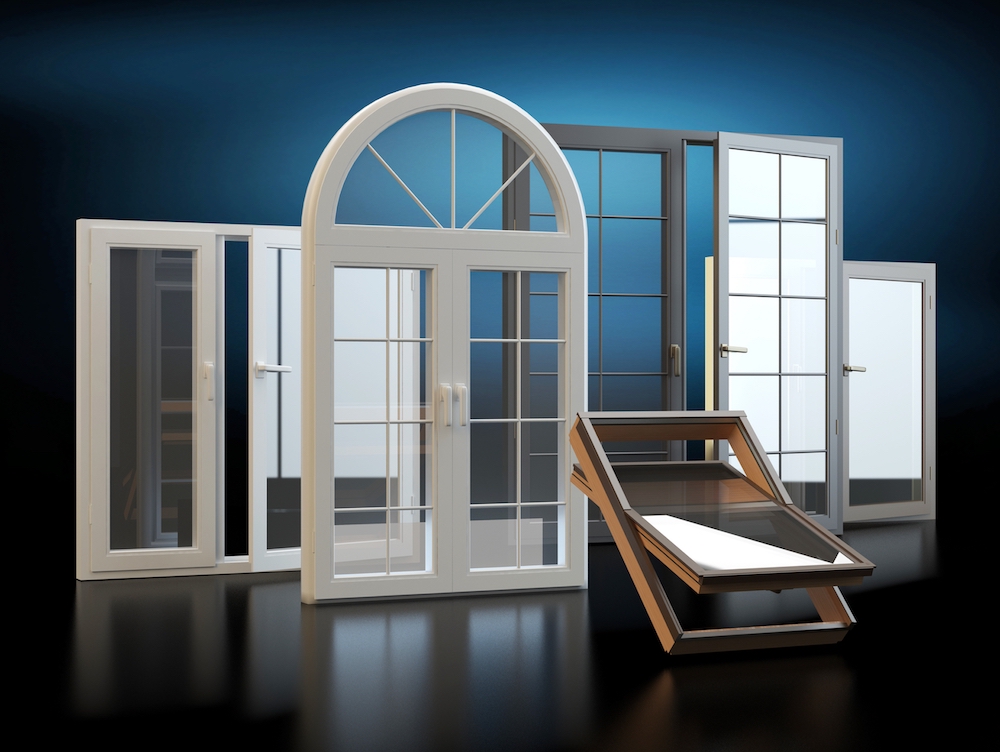
Homeowners have access to various window styles that utilize this technology, and those seeking the maximum performance often select custom windows designed specifically for their property’s exact architectural dimensions, further reducing the risk of energy loss.
Fusion Welding: Eliminating Mechanical Failure Points
A critical vulnerability in standard window construction is the joining of the corners. Older manufacturing techniques relied on mechanical fastening—using screws, brackets, and sealants to hold the horizontal and vertical frame pieces together. During extreme temperature fluctuations, mechanical joints inevitably expand and contract at different rates, breaking the sealant bond and opening a seam.
Once a seam opens, moisture infiltrates the joint. In sub-zero temperatures, this water freezes and expands, forcing the joint further apart in a process known as ice wedging. This permanently destroys the structural integrity of the frame.
To ensure total resilience during a polar vortex, premium arctic-grade vinyl frames are constructed using precision fusion welding. The mitered ends of the extruded profiles are heated to over 400°F until the polymer melts. The pieces are then pressed together under high pressure. As the vinyl cools, the molecules interlock, creating a continuous, seamless loop of solid material. A fusion-welded corner is completely impervious to water infiltration and possesses the exact same structural strength as the rest of the extrusion.
Energy Efficiency During a Polar Vortex
While the structural integrity of the frame is paramount, the primary function of energy-efficient windows is maintaining a comfortable and cost-effective interior climate. The demanding conditions of the Midwest require materials that actively reduce reliance on HVAC systems. For homeowners asking what makes a Chicagoland home energy efficient, the answer begins with stopping thermal bridging at the building envelope.
The arctic-grade vinyl frame acts as an optimal housing for advanced insulated glass units (IGUs). When paired with high-performance glass packages, these systems create a formidable barrier against the cold. The frame’s resistance to thermal transfer ensures that the edges of the glass remain warm, maximizing the effectiveness of features like low-emissivity (Low-E) coatings and argon gas fills.
Investing in insulated windows for Chicago winters not only preserves structural integrity but drastically lowers monthly utility costs by reducing heat loss. The insulating properties of the vinyl, combined with double-pane windows or triple-pane configurations, represent the real value of energy-efficient windows during prolonged periods of sub-zero temperatures.
The Crucial Role of Expert Installation
The most advanced arctic-grade vinyl compound in the world will still fail if it is not installed correctly. Proper window installation is a highly technical process that must account for the natural expansion and contraction of the home’s surrounding structural lumber.
During installation, the window must be perfectly plumb, level, and square within the rough opening. Professional installers use exact shimming techniques to ensure the frame is supported without being overly compressed. If a frame is forced into an opening tightly, the structural tension combined with the thermal contraction of a -20°F polar vortex can cause the glass to crack or the welds to fail.
Furthermore, the void between the new vinyl frame and the home’s framing must be properly insulated and sealed. Installers utilize specialized closed-cell, low-expansion polyurethane foams. This foam remains flexible in freezing temperatures, expanding and contracting alongside the arctic-grade vinyl. This creates a permanent, leak-proof window perimeter that prevents freezing drafts from bypassing the new fenestration system.
Chicagoland’s Trusted Exterior Remodeling Company
When selecting a partner for property improvements in harsh climates, the quality of the product must be matched by the expertise of the home remodeling contractor. WindowWorks has been helping homeowners with new window and door solutions since 1996. The company’s goal today remains as it was in the beginning: to help homeowners by providing industry-leading products with expert installation at affordable prices.
To learn more about WindowWorks, one only needs to look at the track record of success across the region. Having helped well over 51,000 families improve their homes, the company sees people nearly every day who are either past customers returning for an additional order, or individuals referred by friends and family due to a reputation for great products, meticulous installation, and accessible pricing.
As a local and family-owned business, WindowWorks has spent nearly 25 years delivering beautiful, long-lasting renovations. The commitment to efficient, quality craftsmanship ensures that certified installers complete projects accurately and efficiently, often in as little as one day, without ever cutting corners. This dedication to customer satisfaction is reflected in an award-winning service record, highlighted by an A+ rating with the Better Business Bureau and the receipt of the prestigious BBB Torch Award for Marketplace Ethics.
The premium products offered are specifically made for Chicago weather, built with heavy-duty insulation features that lower electric bills and maintain comfort across all seasons. Recognizing that home renovations are a significant investment, WindowWorks provides partnerships with top lending institutions to offer a variety of financing options, allowing homeowners to easily upgrade their properties.
Beyond providing outstanding home improvement services, there is a deep community commitment, with the team proud to take part in various local charity initiatives to support Chicagoland neighbors. Every project comes with a comprehensive worry-free guarantee. All products are backed by robust manufacturer warranties, and the services themselves are protected by an installation warranty, ensuring every homeowner’s investment remains secure against the elements for a lifetime.
Connect with WindowWorks to explore tailored exterior solutions and view ongoing projects across the area. Follow along on Facebook, connect on LinkedIn, or leave a review and read customer stories on Google.
Subscribe to WindowWorks's Blog
Get WindowWorks's latest articles straight to your inbox. Enter your name and email address below.