The severity of an Illinois winter presents unique challenges for residential properties, characterized by dramatic temperature plummets, freezing winds, and heavy snowfall. Maintaining comfortable indoor temperatures while managing utility costs requires robust architectural solutions, primarily regarding the building envelope. Windows represent a significant portion of a home’s exterior and are historically responsible for substantial thermal transfer. Upgrading residential glazing is a primary strategy to create an energy-efficient Chicago home. For property owners evaluating their options, the decision frequently centers around a specific technical debate: whether standard double-pane windows are sufficient, or if the enhanced architecture of triple-pane models justifies the investment.
Understanding the specific structural differences, thermal performance capabilities, and acoustic properties of each option helps property owners make informed investments that align with their long-term property goals.
The Structural Mechanics of Modern Replacement Windows
To fully appreciate the differences between various window options, it is helpful to understand the anatomy of modern insulated glass units. The evolution of residential glazing has moved far beyond the legacy single-pane glass that offered minimal resistance to outside temperatures. A quick comparison of single, double, and triple-pane windows reveals how modern engineering uses trapped air or gas to create a thermal barrier.
Double-pane windows consist of two distinct layers of glass separated by a spacer. This spacer seals the perimeter, creating a designated cavity between the panes. Instead of standard air, manufacturers typically fill this cavity with an inert, non-toxic gas. The benefits of argon gas or krypton gas include a higher density than regular air, which drastically slows down thermal transfer. When the cold Illinois wind hits the exterior pane, the dense gas barrier prevents that freezing temperature from easily conducting to the interior pane.
Triple-pane windows utilize this exact same principle but introduce a third layer of glass, thereby creating two separate gas-filled chambers instead of one. Additionally, both double and triple-pane units frequently utilize Low-Emissivity (Low-E) coatings. These microscopically thin metallic layers are applied to the glass to reflect infrared heat. During winter, Low-E coatings reflect internal furnace heat back into the living space, while in summer, they bounce solar heat away from the home.
Thermal Performance Capabilities in Freezing Climates
The primary advantage of adding a third pane of glass lies in its superior thermal resistance. The insulating performance of building materials is typically measured by metrics like U-factor and R-value. To properly evaluate window performance, property owners must understand R-value, which measures a material’s resistance to heat flow. A higher R-value indicates superior insulation.
A standard double-pane window with argon gas and a Low-E coating generally provides an R-value between 3.5 and 4.0. Upgrading to a triple-pane configuration with dual gas chambers and multiple Low-E coatings can push the R-value up to 7 or 8. This substantial increase in thermal resistance is exactly why highly insulated windows are ideal for Chicago winters.
By effectively doubling the insulating chambers, triple-pane windows ensure that the innermost pane of glass remains significantly closer to the ambient room temperature. This prevents the “cold drafting” effect that often occurs near older windows, where the chilled glass cools the interior air, causing it to drop to the floor and create a continuous, uncomfortable draft.
Managing Indoor Moisture and Condensation
Another crucial factor related to winter weather is interior moisture control. When warm, humid indoor air makes contact with a freezing surface, the moisture in the air shifts from a gas to a liquid, leaving water droplets on the surface. Understanding the dynamics of humidity, condensation, and the home is essential for property maintenance.
Because the interior pane of a triple-pane window stays warmer than that of a double-pane window, the threshold for condensation is significantly higher. In extremely cold climates, a double-pane window might begin to show condensation around the edges when indoor humidity levels are moderate. Over time, excessive winter condensation can pool on window sills, leading to wood rot, peeling paint, and potential mold growth. Triple-pane architecture heavily mitigates this risk, protecting the structural integrity of the surrounding wall assembly.
Acoustic Control and Noise Reduction
Beyond thermal performance, the extra layer of glass and additional gas chamber provide noticeable acoustic benefits. For homes situated in dense urban environments, near busy highways, or under flight paths, environmental noise can be a significant disturbance. Installing effective noise-reducing windows for a Chicago home creates a calmer, more peaceful indoor environment.
Window acoustics are measured by the Sound Transmission Class (STC) rating. While replacing old single-pane glass with modern double-pane units will yield a noticeable drop in outside noise, triple-pane glass disrupts sound waves even further. The varied thicknesses of the materials and the dual separated chambers make it highly difficult for sound vibrations to pass entirely through the unit.
The Sustained Viability of Double-Pane Architecture
Despite the advanced metrics of triple-pane units, double-pane models remain the standard for replacement windows across the Midwest. They offer an exceptional balance of cost, performance, and reliability.
One of the primary considerations when selecting glass packages is weight. Three panes of glass are inherently heavier than two. This additional weight requires highly robust framing and specialized hardware to operate smoothly over decades. Double-pane windows are lighter, placing less stress on the home’s structural framing and the window’s internal mechanisms, such as the balances in double-hung models or the hinges in casement models.
Furthermore, double-pane configurations represent a massive technological leap over the single-pane or outdated double-pane clear glass windows found in many older homes. For the vast majority of residential applications, a high-quality double-pane window equipped with argon gas and a premium Low-E coating is more than capable of keeping a home comfortable during sub-zero temperatures.
Evaluating the Long-Term Financial Impact
Deciding between glass packages requires an objective look at the financial variables. Upgrading home insulation naturally leads to questions regarding how the investment will affect energy bills over time.
Triple-pane windows carry a higher initial purchase price due to the increased materials and specialized manufacturing processes required. However, they also provide the highest level of energy conservation. By keeping the home’s interior temperature stabilized, the heating, ventilation, and air conditioning (HVAC) system operates less frequently. This reduction in continuous heating cycles translates to lower monthly utility costs.
Property owners must assess their specific timeline for remaining in the residence. If a homeowner plans to stay in the property for decades, the accumulated energy savings provided by maximum-efficiency energy-efficient windows can offset the initial premium. For those intending to sell the property within a few years, high-quality double-pane options often provide a faster return on investment while still adding excellent resale value to the property.
The Critical Role of Frame Materials and Craftsmanship
The most advanced glass package on the market is entirely dependent on the frame that holds it and the professionals who install it. Choosing to work with certified window installation experts ensures that the structural integrity of the home is maintained, and the thermal barriers operate exactly as designed.
The framing material heavily dictates the overall efficiency and durability of the unit. Modern synthetic materials have replaced traditional wood as the preferred framing choice for harsh climates:
- Vinyl Frames: High-grade vinyl windows offer exceptional thermal resistance because the material itself does not conduct heat. Advanced vinyl frames often feature multi-chambered extrusions, further trapping air to prevent temperature transfer. They are highly resistant to moisture, require zero painting, and provide excellent value.
- Fiberglass Frames: Extremely rigid and durable, fiberglass windows are uniquely suited to handle the heavy weight of triple-pane glass. Furthermore, fiberglass expands and contracts at virtually the same rate as the glass it holds. This uniform expansion during extreme temperature swings helps preserve the structural seals of the window, preventing the insulating gas from escaping over time.
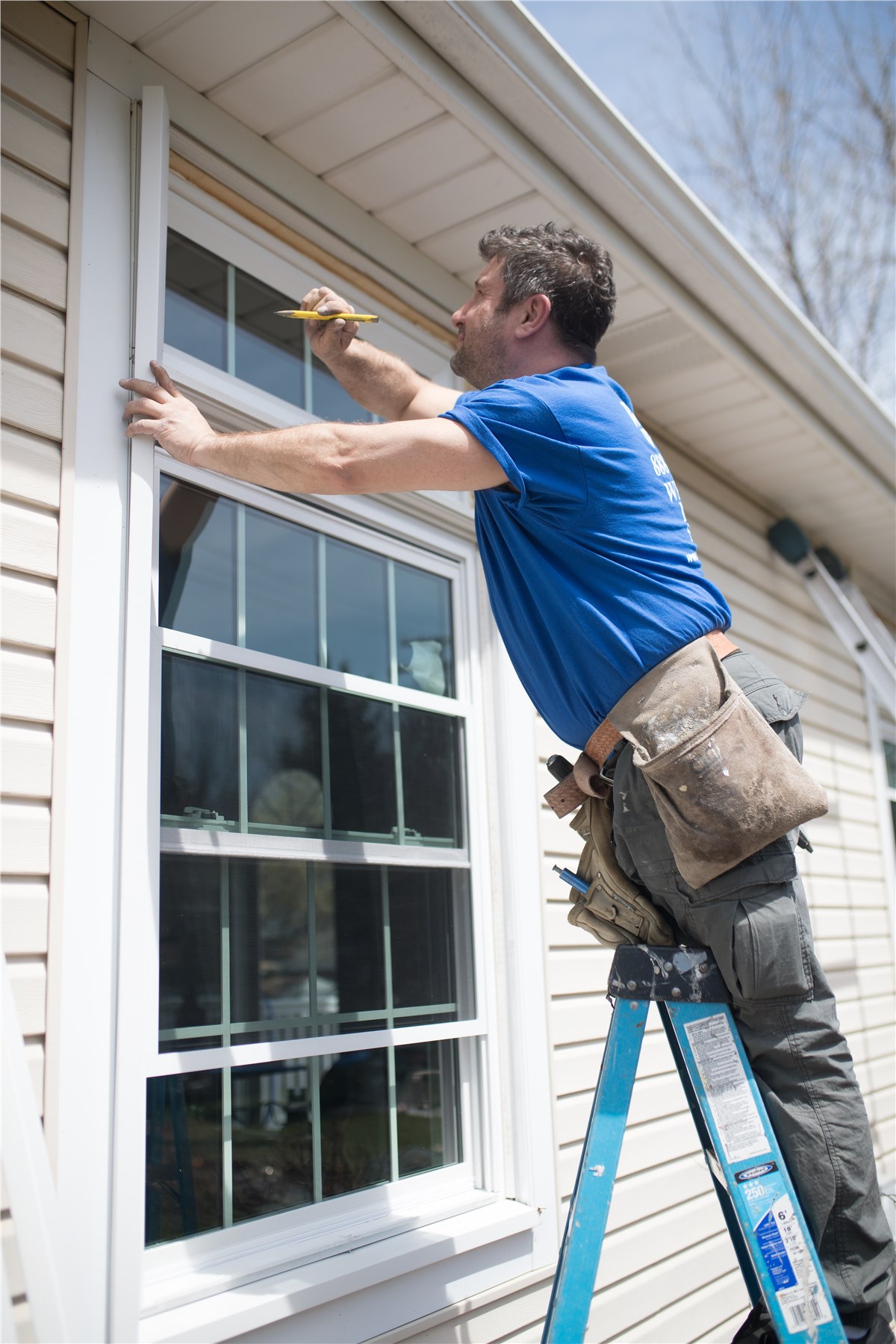
Improper installation can lead to immediate seal failure, drafting around the rough opening, and water infiltration. Expert installers ensure the unit is perfectly plumb, level, and square, utilizing specialized expanding foams and precise exterior caulking to bridge the gap between the new window and the home’s siding.
Adapting to Localized Climate Demands
Property owners are not strictly limited to choosing just one type of glass package for the entire residence. A strategic approach involves evaluating the specific environmental exposures of the property and understanding the effects of extreme weather conditions on different elevations of the house.
For example, the northern and western facing walls of a house often take the brunt of freezing winter winds, while southern exposures receive more passive solar heat. A property owner might elect to install high-performance triple-pane units on the most vulnerable elevations while utilizing standard double-pane units on the protected sides of the home. Mixing and matching different window types and glass packages based on localized exposure ensures a comprehensive climate defense without overspending.
Upgrading the building envelope with appropriate Chicago windows requires balancing immediate budget constraints, desired indoor comfort, and long-term energy objectives. Whether opting for the standard reliability of double-pane or the maximum thermal protection of triple-pane, updating aging fixtures transforms the structural resilience and efficiency of the property.
About WindowWorks
WindowWorks is Chicago’s trusted exterior remodeling company, operating locally as a family-owned business since 1996. The organization has spent nearly 25 years delivering beautiful, long-lasting renovations to over 51,000 Chicago homes. The primary goal remains helping homeowners by providing industry-leading premium products with expert installation at affordable prices.
Certified installers complete projects with efficient quality craftsmanship, often in as little as one day, without cutting corners. This commitment to award-winning service has earned WindowWorks an A+ rating with the BBB, as well as the prestigious Torch Award for Marketplace Ethics. Built specifically to handle harsh local weather, the insulated products lower utility bills and ensure year-round comfort.
With deep community commitments, ongoing charitable initiatives, and flexible financing partnerships through top lending institutions, WindowWorks offers comprehensive solutions for property improvements. Every project features a worry-free guarantee, backed by a comprehensive manufacturer warranty and a dedicated installation warranty to ensure the investment is permanently protected.
Connect with WindowWorks online to learn more: Google | Facebook | LinkedIn
Subscribe to WindowWorks's Blog
Get WindowWorks's latest articles straight to your inbox. Enter your name and email address below.