Homeowners waking up on a freezing winter morning often encounter a puzzling and frustrating sight: a layer of frost or ice forming on the inside of their windows. When the heating system is running and the interior is warm, finding frozen condensation inside the home can feel contradictory. However, this common winter phenomenon is firmly rooted in the principles of thermodynamics and building science. Understanding the interaction between indoor humidity, temperature differentials, and thermal insulation is the first step toward resolving the issue. When frost appears on interior glass and frames, it is rarely a random occurrence; rather, it indicates that the current fixtures are no longer providing an adequate thermal barrier against the outside elements.
The Science of Indoor Condensation and Frost Formation
To solve the mystery of interior frost, it is essential to understand how moisture behaves in the air. The air inside a home constantly holds water vapor, generated by everyday activities such as cooking, bathing, washing dishes, and even breathing. Warm air is capable of holding significantly more moisture than cold air. The measurement of this moisture relative to the temperature is known as relative humidity. When the warm, moisture-laden indoor air comes into contact with a cold surface, the air immediately surrounding that surface rapidly cools down.
As the air cools, its capacity to hold moisture drops. When the temperature of the surface is lower than the dew point of the indoor air, the excess water vapor transforms from a gas into liquid droplets. This process is known as condensation, a topic often explored when discussing humidity, condensation, and your home. During severe winter months, the temperature of an inadequately insulated glass pane or window frame can drop well below the freezing point of 32 degrees Fahrenheit. When this happens, the condensation does not remain liquid; it instantly crystallizes into frost or solid ice on the interior surface. The harsher the outdoor climate, the more pronounced the effects extreme weather conditions have on windows.
Why Aging Windows Fail to Keep the Cold at Bay
Modern architectural design relies heavily on thermal breaks and multiple glazing layers to maintain a comfortable indoor environment. Older properties frequently feature outdated materials that lack these advanced engineering benefits. A primary culprit for interior ice is the single-pane glass window. Having only a single sheet of glass between the warm interior and the freezing exterior provides virtually no insulation. A quick comparison of single, double, and triple-pane windows reveals that single-pane units transfer outdoor cold directly to the indoor surface with minimal resistance.
Even homes equipped with older double-pane windows can experience interior frosting if the internal seals have failed. Insulated glass units rely on an airtight seal to keep heavy, insulating gases trapped between the panes. Once this seal degrades due to age, weather exposure, or poor manufacturing, the insulating gas escapes and is replaced by standard outside air. This failure dramatically lowers the thermal efficiency of the unit, allowing the interior glass to become cold enough to freeze ambient indoor moisture. Learning how to find air leaks in your aging windows can often pinpoint exactly where these thermal failures are occurring.
The material of the frame also plays a significant role in temperature transfer. Older aluminum frames are highly conductive. Without a proper thermal break, an aluminum frame acts as a bridge, pulling the freezing outdoor temperatures directly inside. Wood frames, while naturally less conductive, are susceptible to warping, cracking, and rotting over time. Once the structural integrity of a wood frame is compromised, drafts easily enter the home, cooling the surrounding surfaces and inviting frost accumulation.
The Hidden Risks of Interior Frost Accumulation
While a frosted pane might look picturesque, it presents several risks to the structural integrity of a home and the comfort of its occupants. When the temperature outside eventually rises or the sun directly hits the glass, the interior ice melts. This melting water pools on the window sills and can easily seep into the surrounding drywall, wood casings, and structural framing. Over time, recurring moisture exposure leads to wood rot, peeling paint, and bubbling drywall.
Furthermore, persistent moisture creates an ideal breeding ground for mold and mildew. Mold spores can negatively impact indoor air quality, posing respiratory concerns for the household. In addition to structural and health concerns, the presence of frost is a visible indicator of significant energy loss. If the glass is cold enough to freeze water inside the home, the heating system is forced to work continuously to compensate for the lost thermal energy. Understanding how replacing your home’s windows affects your energy bill underscores the financial impact of living with drafty, outdated fixtures.
Practical Strategies to Manage Indoor Humidity and Drafts
For those currently dealing with interior ice, there are several immediate steps that can be taken to mitigate the problem while planning for a permanent solution. The first step is to carefully manage indoor relative humidity levels during the coldest days of the year. Utilizing bathroom exhaust fans during showers, running the range hood while cooking, and employing a dehumidifier in highly susceptible areas can reduce the volume of moisture available to condense on cold surfaces.
Improving airflow around the glass is another effective tactic. Heavy curtains or closed blinds trap cold air against the glass, preventing the home’s heating system from warming the surface. Leaving blinds slightly raised or opening curtains during the day allows warm air to circulate against the panes, raising their temperature above the freezing point.
Addressing minor drafts can also provide temporary relief. Reviewing tips for fixing drafty windows and applying temporary caulking or utilizing weatherstripping can reduce the amount of freezing air penetrating the frame. However, it is important to recognize that these are stopgap measures. They do not resolve the underlying issue of poor thermal resistance inherent in outdated glass and framing materials.
Upgrading to Modern, Thermally Efficient Solutions
The most definitive method to stop interior frost is to upgrade the property with energy-efficient windows designed for harsh climates. Modern manufacturing has introduced several advanced technologies that work together to maintain a warm interior glass surface, regardless of exterior conditions.
High-performance insulating glass units typically feature dual or triple panes separated by a sophisticated spacer system. These spaces are often filled with dense, inert gases that slow the transfer of heat and cold. The benefits of argon gas in windows include a significant reduction in thermal conductivity compared to normal air. Additionally, manufacturers apply microscopically thin Low-E (low-emissivity) metallic coatings to the glass. These coatings reflect interior heat back into the room during the winter while blocking harmful UV rays and solar heat gain during the summer.
Choosing the correct frame material is equally vital. Modern vinyl windows are constructed with multi-chambered extrusions that trap air and prevent thermal transfer. They are highly resistant to moisture and will not rot or warp like older wooden models. Similarly, fiberglass windows offer exceptional strength and expand and contract at nearly the same rate as glass, ensuring that the airtight seals remain intact through decades of extreme temperature fluctuations. Because of these advanced materials, it becomes clear why insulated windows are ideal for Chicago winters.
The Importance of Professional Installation
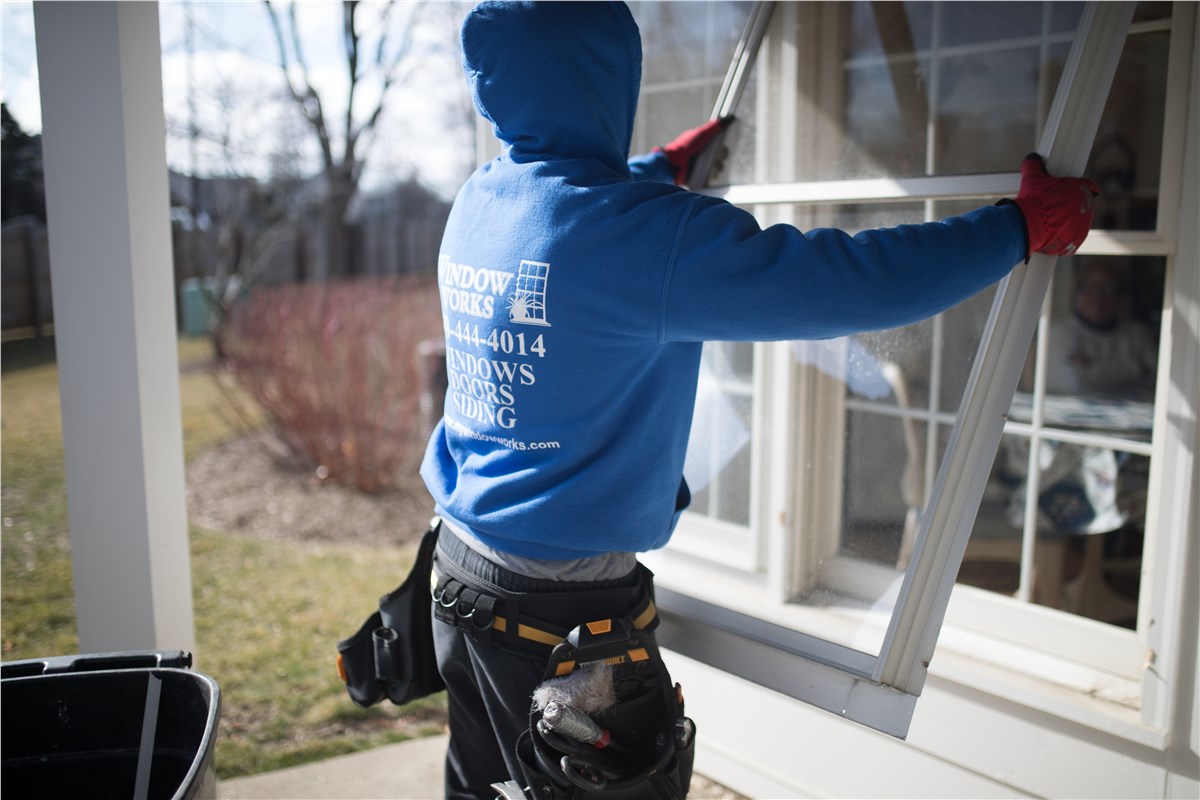
Investing in premium products is only half the equation; the performance of any architectural fixture relies heavily on the quality of its installation. Even the most advanced, highly rated glass unit will suffer from condensation and frost if it is installed with gaps or insufficient insulation around the rough opening. Proper window installation requires exact measurements, meticulous leveling, and the precise application of low-expansion insulating foam to seal the perimeter completely against drafts.
Trained professionals understand how to properly integrate the new frame with the home’s existing exterior weather barriers and flashing. This ensures that water cannot penetrate the building envelope and that thermal bridging is completely eliminated. When sourcing replacement windows, partnering with certified installers guarantees that the product will perform to its exact specifications, keeping the interior warm, dry, and frost-free.
Selecting the Proper Fixtures for a Home
Every property is unique, and selecting the right fixtures involves matching the architectural style with functional requirements. There are many different window types available, from classic double-hung styles that allow for easy cleaning to tightly sealing casement designs that offer maximum unobstructed views and airflow. Working with an experienced remodeling company allows homeowners to customize the grid patterns, hardware finishes, and exterior colors to perfectly complement their property.
When dealing with the specific challenges of Chicago windows, prioritizing high-performance insulation ratings is key. Evaluating the U-factor, which measures the rate of heat transfer, helps determine how well the product will resist frost. A lower U-factor indicates superior insulation properties. By making an informed decision and selecting products built specifically for demanding climates, properties can be safeguarded against the damaging effects of interior ice.
WindowWorks: Chicago’s Trusted Exterior Remodeling Company
Since 1996, WindowWorks has been dedicated to helping homeowners navigate the challenges of exterior home maintenance with premium, energy-efficient products. The company’s primary goal remains the same today as it was in the beginning: to help property owners by providing industry-leading exterior home remodeling products coupled with expert installation at affordable prices.
As a local and family-owned business, WindowWorks has spent nearly three decades delivering beautiful, long-lasting renovations, successfully assisting well over 51,000 families in improving their homes. The team sees individuals nearly every day who are either past customers trusting the company for an additional order, or people who have been referred by friends and family due to a reputation for great products, meticulous installation, and outstanding value.
Focusing on efficient, quality craftsmanship, certified installers are capable of completing projects without cutting corners, allowing homeowners to enjoy their renovations for a lifetime. This dedication to customer satisfaction and ethical business practices has earned WindowWorks an A+ rating with the Better Business Bureau, along with the prestigious Torch Award for Marketplace Ethics.
Homeowners receive premium products built specifically for Chicago weather, featuring advanced insulation to lower electric bills and maintain comfortable indoor temperatures through all seasons. To ensure peace of mind, every product is backed by a robust manufacturer’s warranty, and all services are protected by an installation guarantee. Through flexible financing partnerships and a strong community commitment to local charity initiatives, WindowWorks continues to be Chicagoland’s trusted choice for windows and doors.
Connect with WindowWorks online to learn more and view their latest updates:
Google: https://share.google/kx3MddCTYtATgTj0X
Facebook: https://www.facebook.com/mywindowworks
LinkedIn: https://www.linkedin.com/company/mywindowworks/
Subscribe to WindowWorks's Blog
Get WindowWorks's latest articles straight to your inbox. Enter your name and email address below.